
Introduction: The HSP Boom as a Social Phenomenon
In recent years, the term "HSP" (Highly Sensitive Person) has surged in popularity across Japan, moving beyond academic psychology to become part of the public lexicon—fueled by media coverage, bestselling books, and online discourse. Google Trends shows a notable spike in interest; NHK’s “Close-Up Gendai” has even featured the rise of an “HSP society.” Since 2020, series like “HSP = The Overly Delicate Person” have sold over one million copies.
Japan’s position as a pioneer in HSP research in Asia is inseparable from its cultural context and reflective social character. Sensitivity has a dual role: collectivist norms centered on “Wa” (harmony) can suppress individual expression, framing sensitivity as “weakness,” while societal stress and growing self-awareness have driven a revaluation of sensitivity as empathy and insight. This paradox created fertile ground for uniquely Japanese HSP research.
Academic Research: Three Directions
Physiological & Neurological Research
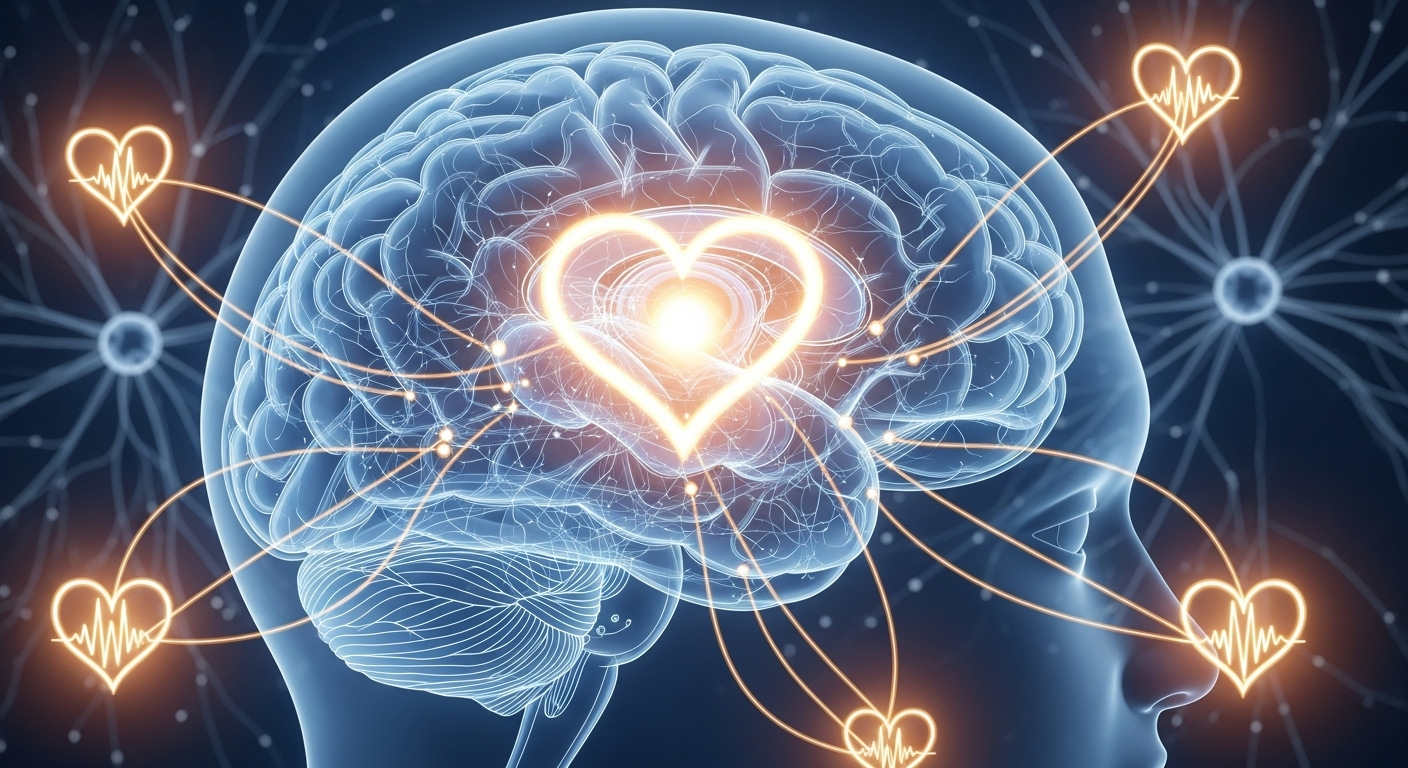
Tsukuba University and the University of Tokyo have used fMRI to visualize HSP brain responses to emotional stimuli. Findings indicate heightened activation in the amygdala and insula across positive and negative stimuli. Studies also suggest stronger activity in regions linked to the Mirror Neuron System, reflecting an overactivation of empathy networks—enabling deep emotional resonance while increasing mental fatigue risk.
Psychological & Personality Studies
A 2023 Keio University study reports that Japanese HSPs display Aron’s D.O.E.S. traits along with high empathy and high self-reflectiveness. These confer strengths in understanding and creativity but elevate the risks of emotional exhaustion and empathy fatigue.
Socio-Cultural Research
Waseda University’s 2024 review highlights how Japan’s culture of harmony encourages HSPs to internalize empathy, suppressing personal needs to maintain group cohesion—often leading to chronic emotional repression and self‑sacrifice.
Social Phenomena: Work and Education
Workplace
HSPs tend to be conscientious and detail-oriented yet prone to hidden overwork in long-hours corporate cultures. Japan’s 2024 Mental Health White Paper notes HSP-identified workers report 27% higher perceived stress, underscoring the need for supportive policies and flexible environments.
Education
“Sensitive Child Programs” are emerging: quiet zones for decompression, emotional regulation training, and psychologist‑supported counseling and parent education in regions such as Shizuoka and Hokkaido.
Cultural Psychology: Why So Pronounced in Japan?
- Pressure of Wa: Constant attunement to social cues fosters coordination—yet suppresses authenticity.
- Tatemae vs. Honne: The facade–truth gap reinforces emotional repression among HSPs.
- Silent Empathy: Quiet support avoids conflict but renders emotional labor invisible.
Sensitivity Is Not a Disorder—it’s a Modern Intelligence
HSP is not something to be “cured,” but a neurotrait of high perception and high empathy. In an age optimizing for efficiency, the uniquely human core remains emotional depth and complex empathy. Rather than pathologizing sensitivity, society should understand and harness it—so that profound empathy becomes a driver of social progress.