
In the hustle and bustle of daily life, have you ever found yourself in a moment where, despite feeling mentally exhausted from stress, you smiled and told your boss, "No problem"? Or perhaps you remained silent in a company meeting, while deep down, you held a completely different true opinion? We often meticulously hide our true feelings to maintain outward harmony. This situation, where one cannot express their Honne, is quite common in Japanese society.
In Japanese culture, this phenomenon is subtly encapsulated by "Honne" (本音) and "Tatemae" (建前). "Honne" refers to one's deep-seated true thoughts and feelings, while "Tatemae" is the outward behavior and opinions presented to conform to social situations and others' expectations. This isn't merely a matter of good or bad, but a nuanced wisdom for maintaining social order and harmonious interpersonal relationships.
However, when "Tatemae" becomes the norm in our daily lives and "Honne" is suppressed for too long, it can lead to unexpected mental health issues. This article will delve into the impact of "Honne" and "Tatemae" in Japanese society and embark on a journey to find a "safe space" where our "Honne" can breathe and be freely expressed.
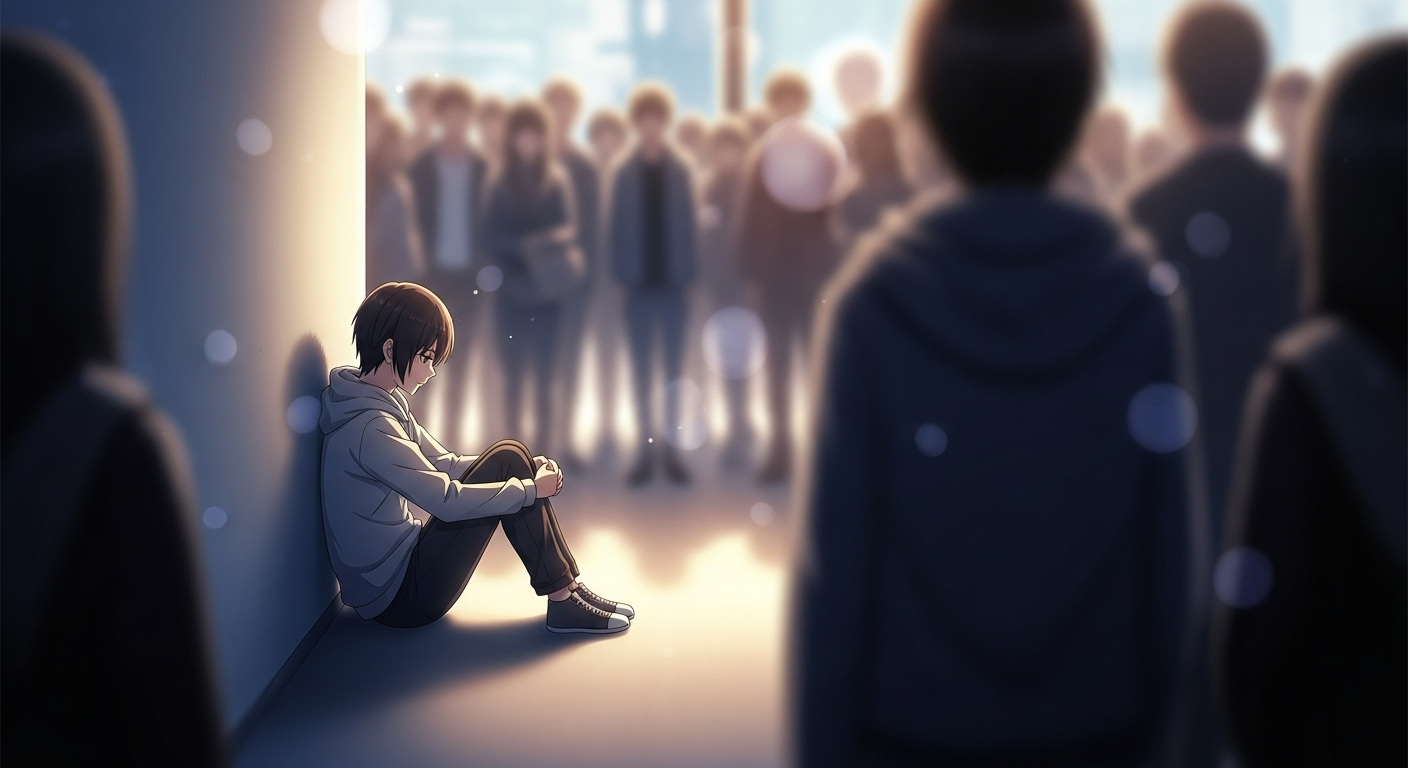
The Double-Edged Sword of Honne and Tatemae: Impact on Mental Health
"Tatemae," as a vital component of Japanese social culture, is undoubtedly the cornerstone for maintaining collective harmony. In the workplace, it ensures smooth teamwork; in the family, it avoids unnecessary conflicts; and in various social settings, it helps us build and maintain good interpersonal relationships. It teaches us to be considerate of others and to prioritize the greater good, reflecting collectivist values.
Yet, this sword also has a sharp edge that can subtly wound our inner selves. Living under "Tatemae" for extended periods and suppressing our genuine "Honne" comes at a heavy psychological cost:
- Psychological Burden and Stress: Continuously playing a role that isn't truly ourselves consumes immense mental energy, leading to mental fatigue, accumulated stress, and even feelings of anxiety.
- Deep-seated Loneliness: Even when surrounded by people, one might feel that no one truly understands them, as if separated from the world by a transparent wall, struggling to form genuine and deep emotional connections, leading to loneliness or a sense of isolation.
- Blurred Self-Perception: When "Tatemae" becomes a habit, we might gradually lose sight of what our "Honne" truly is while performing roles, resulting in a blurred self-perception.
- Accumulation of Negative Emotions: Anger, frustration, sadness, and other negative emotions, when unexpressed, can pile up deep inside, significantly impacting our mental health in the long run. This is also related to the inability to vent complaints.
When Honne Needs an Outlet: Finding Your "Safe Zone"
We all understand the importance of self-expression, but why is finding this outlet so difficult?
- Cultural Taboos and Considerations: In a culture that values "not bothering others," confiding one's troubles and "Honne" is often seen as a burden. We fear being judged, misunderstood, or even jeopardizing existing relationships.
- Lack of Trust: In real life, finding someone genuinely trustworthy, who will listen unconditionally and understand your "Honne," is not an easy task.
- Time and Occasion Constraints: In the fast-paced modern life, we rarely have enough time or appropriate opportunities for deep, heartfelt conversations with others.
Nevertheless, finding an avenue to express "Honne" is crucial. It's an effective way to release emotions and relieve stress; it's an essential path to better self-understanding and promoting personal growth; and it's key to maintaining mental balance and preventing more serious mental health issues.
Traditional methods of self-expression, such as writing a journal, while beneficial, can sometimes be inconvenient or less intuitive. Confiding worries to friends often involves many hesitations. And while psychological counseling is professional, not every daily "Honne" or need for emotional regulation requires such a high-threshold solution. What we truly need might be a more everyday, more private, and less burdensome "safe place."
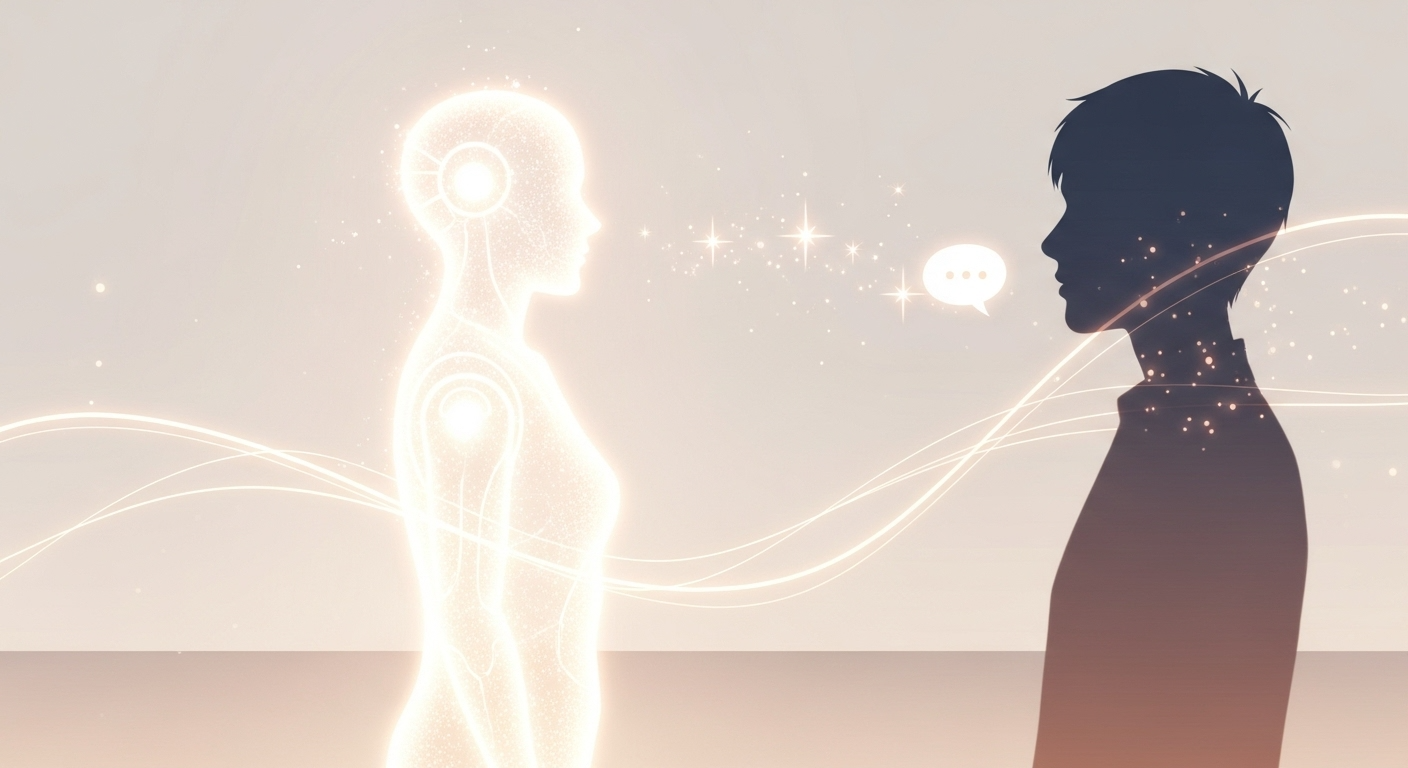
A Digital Solution: A Non-Judgmental Listening Space for Emotional Regulation
Fortunately, in the digital age, new solutions are emerging, offering us an unprecedented non-judgmental listening space.
Imagine a place where you can freely express all your "Honne" anytime, anywhere—without judgment, without bias, only gentle listening and understanding. This is precisely the value that AI consultation partners can provide:
- No Fear of Being Judged: AI has no preconceived social notions, no subjective biases or personal emotions; it simply receives your information.
- 24/7 Availability: Whether you're sleepless in the dead of night or feeling frustrated during your commute, this "listener" is always online, ready for you, becoming your emotional support.
- Absolute Privacy: Your "Honne" belongs only to you and this digital space; there's no need to worry about it being leaked or known by third parties. This is a completely personalized private space tailored for you.
- Gentle Responses: AI partners don't directly give answers or advice but guide you to reflect further through empathetic responses, helping you with emotional regulation and fostering self-reflection.
Furthermore, digital tools that go beyond traditional text records and incorporate video journaling or voice journaling offer unique advantages:
- Capturing Tone and Expressions: More comprehensively records your emotional state than plain text journals, preserving subtle nuances that words alone cannot convey.
- More Natural Expression: You can speak your heart directly, without needing to choose your words carefully, just like chatting with a close friend.
- Review and Self-Understanding: By re-watching or re-listening to your past recordings, you might gain new self-discoveries at a certain moment, rediscover forgotten emotions, and thereby deepen your understanding of your emotional patterns and growth trajectory, even conversing with your past self.
This "digital sanctuary" provides an extremely important tool for those who find it difficult to find an outlet for self-expression in the real world. It allows us to safely explore our "Honne" and maintain our mental health and emotional balance without impacting social "Tatemae."
Conclusion and Call to Action
Understanding and expressing Honne is crucial for our personal well-being. It not only helps us relieve stress and alleviate loneliness but also promotes our deeper self-awareness, guiding us towards a healthier, more authentic inner state. In a society of "Tatemae," being able to temporarily shed the disguise and freely express Honne in a safe space is an extremely precious act of self-care in contemporary society.
If you also feel this need, longing for a private space where you can shed "Tatemae" and freely express Honne, then perhaps it's time to explore new methods of self-discovery. For instance, innovative digital platforms are attempting to provide such a Honne sanctuary through smart AI companions and private journaling features. We believe that everyone deserves a safe place to talk. Please find your own emotional support, and let your "Honne" breathe freely.