
Why Does Autumn Make Us More Prone to Low Moods?
When autumn arrives, the air turns crisp, the leaves fade to yellow, and the streets seem quieter. Yet many people find themselves feeling strangely “lonely,” “empty,” or “unmotivated” during this season. This isn’t simply a sign of weakness—it reflects a widely studied phenomenon in psychology: seasonal mood variation.
🧠 From a Physiological Perspective: Light Exposure & Brain Chemistry
Studies from Japan’s University of Tsukuba and Tokyo Medical and Dental University found that shortened daylight hours in autumn and winter reduce the brain’s production of serotonin and dopamine—neurotransmitters closely tied to feelings of happiness, motivation and energy. Meanwhile, melatonin levels often rise, making people feel more fatigued, sluggish, or mildly depressed. See the NCBI overview of SAD.
In Japan this state is often called “aki‐utsu” or “seasonal affective disorder (SAD)”. The Japanese Society of Psychiatry and Neurology (JSPN) reports that roughly 7–10% of people may experience significant mood swings during the autumn–winter months, especially young working adults and urban singles.

🌆 From a Social Psychology Perspective: Loneliness & “Turning Point Anxiety”
Autumn is also a season of shift—summer’s social events taper off, work pace resumes its intensity, and many people feel a subtle psychological dip at this transition point, sometimes called “turning-point anxiety”.
Japanese sociological research shows that this seasonal psychological phenomenon correlates strongly with loneliness. A 2023 report from the Loneliness and Isolation Countermeasure Office highlights that autumn and winter are peak periods for adults in Japan to feel lonely, especially among young urban singles.
💬 Researchers note:
“Loneliness is not merely a social problem; it is closely related to individual emotional resilience and modes of emotional expression.”
From the Cultural-Psychological Angle: Why Are Japanese People Particularly Sensitive to Autumn?
🍁 Mono no aware: The Beauty of Transience
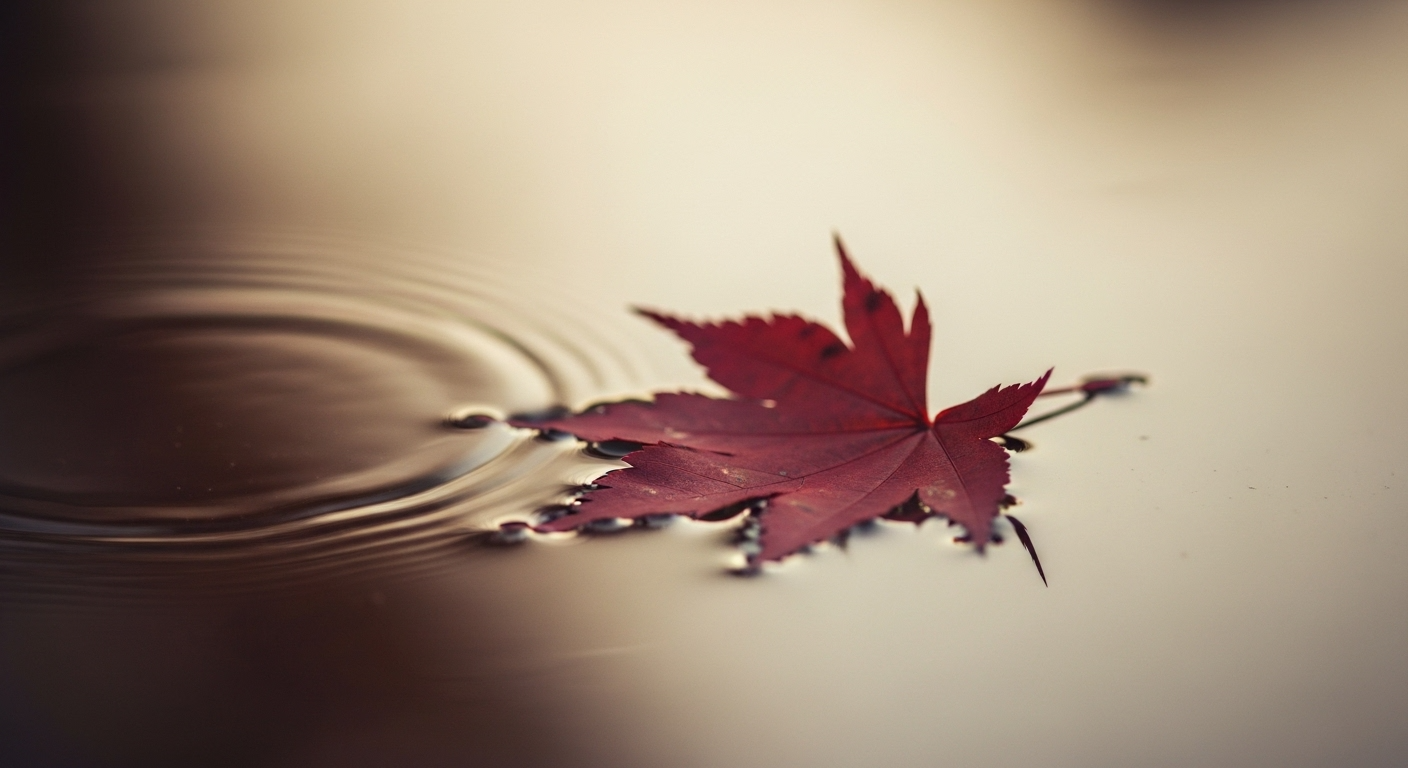
In Japanese culture, there is a unique emotional sensibility known as もののあわれ (mono no aware)—a gentle awareness of the impermanence of life and seasonal change. Rather than pure sadness, it is an emotional depth found in brevity.
Psychologically, this heightened sensitivity aligns with the concept of HSP (Highly Sensitive Person). In Japan, HSP individuals make up 15–20% of the population; they are more attuned to seasonal shifts, others’ emotions and environmental changes—thus more vulnerable in autumn to feelings of “unexplained loneliness” or “emotional restlessness.”
🧩 Emotional Suppression in Modern Society
Meanwhile, Japanese society’s emphasis on tatemae (public façade) and emotional restraint makes open emotional disclosure less common. Research suggests that, in everyday interpersonal exchanges, Japanese people engage in self-disclosure (expressing personal emotions) about 35% less than their Western counterparts, especially on emotional topics.
This “unsaid emotional burden” often gets amplified in the quiet, shifting atmosphere of autumn. Hence, autumn becomes one of the seasons when Japanese minds are most susceptible to being submerged by emotion.
Five Scientific yet Gentle Self-Care Methods to Ease Autumnal Low Mood
🌤 ① Get More Sunlight — Use Light to Regulate Your Biological Clock & Mood
When daylight declines in autumn and winter, light exposure becomes a key factor influencing mood. Research shows that 15 minutes of natural morning light can help regulate melatonin and serotonin rhythms—an approach widely used to manage SAD in both Japan and the West.
💡 Tip: During breakfast, open the curtains, sit near a window—simple actions that bring in natural light.
🧘 ② Speak Your Feelings — The Psychological Effect of Emotional Externalization
Psychology identifies “emotional externalization” as the process of converting complex inner feelings into words or actions, making subconscious pressure understandable.
You can:
- Record your day (video or audio)
- Use an AI video-journal to talk through and reflect on your emotions
- Or simply write: “One thing I noticed about how I felt today”
Studies show that 10 minutes of daily emotional expression or writing can significantly reduce cortisol levels (American Psychological Association, 2023). In other words: expressing emotions helps the body truly relax.
🍵 ③ Accept “Melancholy” — Let It Soften Your Heart
“Melancholy” isn’t inherently bad. In Japanese aesthetic tradition, it is seen as a gentle awareness of life’s fleeting nature and seasonal change. In therapy, this attitude is called “emotional acceptance.” Rather than fight sadness, allow yourself to experience and understand it—for emotions are neither good nor bad; they simply tell us we are still engaged with life.
Consider:
- Writing down one moment today that made you “slightly sad”
- Reflecting on what value lies behind that feeling (e.g., caring for someone, cherishing time)
- Naming that emotion—for example: “the softness of parting,” “the quiet of autumn wind”
These practices strengthen your emotional granularity, considered a core component of psychological resilience.
🏃♀️ ④ Maintain Light Exercise & Rhythmic Breathing
Autumn is the ideal season for “slow movement”. Research finds that 20 minutes of walking daily, or three sessions per week of light exercise (yoga, stretching, strolling) can boost dopamine levels and activate the brain’s reward systems. A study at Tokyo Women’s University noted that the rhythmic motion of walking synchronizes heart rate and breathing, thereby reducing anxiety and physical tension.
You don’t need high intensity—just consistency and rhythm. For instance: go for a walk after dinner, do simple stretches on the balcony, or just practice deep breathing while bathing. These can help restore your body’s balance.
🕯 ⑤ End Your Day with a “Night Ceremony” for Your Thoughts
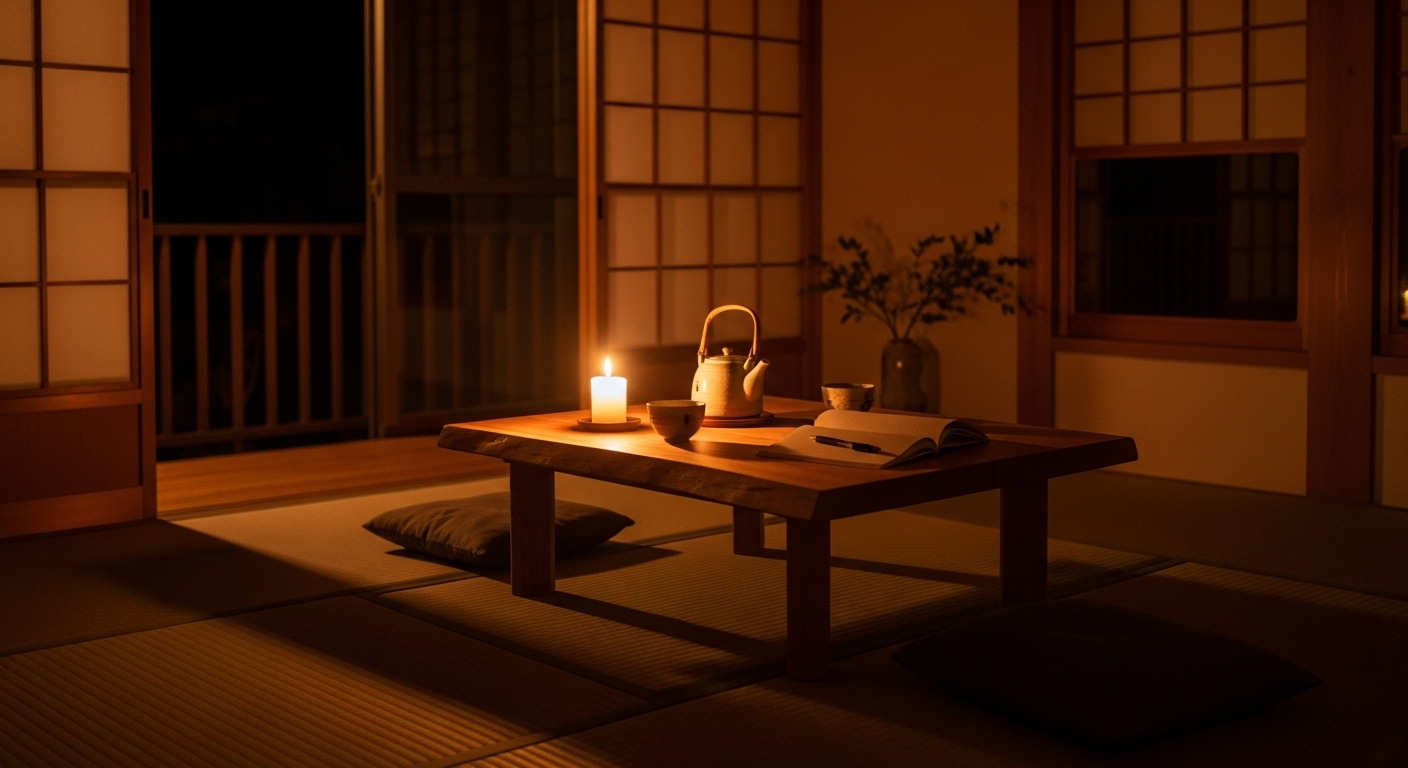
Autumn’s longer nights are perfect for reflection and relaxation. Yet many people succumb to “emotional rumination” at night—replaying the day’s negatives again and again. To avoid this loop, establish a “night ceremony” like:
- Writing in your journal or using an AI video journal: “Thank you, me, for today.”
- Lighting a candle, taking a warm bath
- Listening to quiet music or nature sounds
Such rituals help your brain recognize: “The day’s tasks are done.” And this signals a transition into rest, promoting a more restorative state.
Summary
Easing autumnal low mood doesn’t require complex routines. The key is: let your body re-sync with nature, and let your mind reconnect with the self. With a little mindful action each day, you can turn autumn into your gentlest, clearest season yet.