
Loneliness as a “Social Phenomenon”: Japan’s Deep Reflection
In Japan, loneliness is no longer seen as a mere personal feeling — it has become an officially recognized social issue.
In 2023, the Japanese government established the “Office for Loneliness and Social Isolation”, under the Cabinet Office, to promote nationwide mental health initiatives and strengthen social support networks.
This move was not incidental. It was a direct response to deep structural changes in Japanese society.
Japan is facing multiple, overlapping trends: shrinking family sizes, rising urban solitude, and weakening social bonds.
According to the 2023 National Census by Japan’s Ministry of Internal Affairs, about 45–48% of people in their 30s and 40s in Tokyo live single, while over 38% of all Japanese households consist of individuals living alone.
This accelerating “individualized society” has made loneliness part of everyday life for millions.
The impact of chronic loneliness extends far beyond emotions. Psychological research shows that it can suppress the immune system, disrupt sleep patterns, and even increase the risk of chronic illness. Medical journals in Japan have reported a clear correlation between loneliness, chronic stress, and biological inflammation markers. From both a physical and mental health perspective, addressing loneliness has become a matter of urgency.
A 2024 analysis by the Psychology Department at Tokyo Woman’s Christian University notes:
“Japan’s loneliness problem doesn’t stem from a lack of human contact — but from a lack of relationships where one feels truly understood.”
This statement strikes at the heart of the issue. People may not be physically isolated — they commute, work, and shop among crowds daily — yet emotionally, they feel unseen and unheard. That’s why Japan’s Office for Loneliness isn’t just a social welfare measure; it represents a movement toward building a psychologically safe society, one where people can express themselves without fear and feel genuinely understood.
The “Expression Gap” in the Digital Era: Hidden Emotions and the Weight of Social Expectations
On the surface, we live in an age of unprecedented communication. Social media, instant messaging, and video platforms keep us constantly connected. Information moves faster than ever — and yet, paradoxically, loneliness persists.
Psychologists call this the “Illusion of Expression” — we speak more than ever, but we’re understood less than ever.
This “expression gap” is particularly evident in Japan and deeply rooted in cultural patterns:
- The Duality of Honne and Tatemae: Japanese society values wa (harmony). From an early age, people learn to read the air (kuuki o yomu) and avoid expressing thoughts that might disrupt group balance. In workplaces, many suppress their true feelings (honne) to maintain professional harmony (tatemae).
- The Fear of “Causing Trouble”: Sharing one’s struggles or worries (nayami soudan) is often seen as meiwaku — a burden to others. As a result, people frequently choose to endure stress silently rather than seek support.
- The “Perfect Filter” of Social Media: Online, people tend to display the curated highlights of their lives, building an idealized self-image. Behind this “perfect filter,” authentic emotional expression feels risky — it might invite judgment or break the illusion of perfection.
According to a 2024 study by the University of Tokyo’s Department of Social Psychology, more than 50% of young Japanese users report being unable to express genuine feelings online; over 70% say they fear being misunderstood or judged; and though they spend 3–4 hours per day on social media, less than 15% of that time involves deep emotional communication.
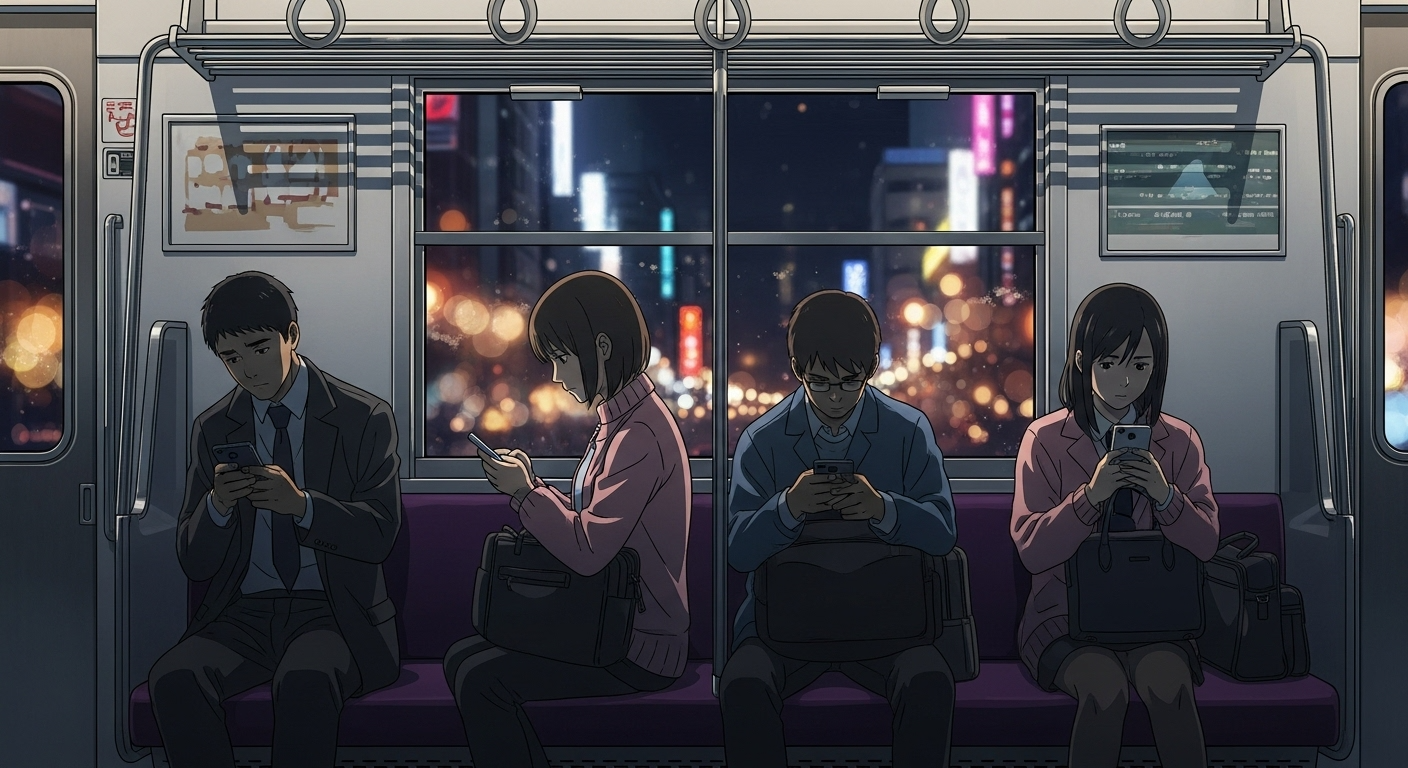
In short, our “connections” have grown more frequent — but our emotional depth has diminished. We show our lives online, yet hide our inner world. Communication has become efficient, but shallow.
A 2023 study from Waseda University puts it simply: “Modern loneliness arises not from the absence of relationships, but from the absence of opportunities for honest emotional expression.”
Thus emerges one of our era’s paradoxes: 🌀 We have infinite ways to communicate — yet no safe place to speak freely. This cultural and emotional tension forms the foundation for the rise of AI emotional companionship, offering a private, judgment-free space for people to share their honne — their truest inner voice.
The Rise of AI Companionship: A Safe and Nonjudgmental Space to Be Heard
Against this backdrop, AI companions are emerging as a new form of psychological support. Their value doesn’t lie in replacing human relationships, but in providing a nonjudgmental, always-available space for emotional reflection.
Psychological studies repeatedly show that when people can express emotions safely and anonymously, their anxiety, loneliness, and emotional fatigue decrease significantly.
AI-based emotional tools — like AI video journaling — represent this new “gentle technology.” They allow users to speak naturally, without scripting or fear of interruption or criticism.
A study from Keio University on “AI interaction and emotional regulation” found that:
Participants who used AI-based self-expression tools for two weeks showed measurable improvements in emotional stability and subjective well-being.
In other words, being listened to is, in itself, healing. AI doesn’t offer answers — it offers space. A mirror, rather than a mouthpiece. A way to help us hear ourselves again.
In Japan, this aligns with a growing cultural need for nayami soudan — the practice of sharing personal worries. In a society where people hesitate to burden others, AI companions become safe listeners, providing zero-pressure, judgment-free dialogue. They serve as emotional harbors — private spaces where people can set down their tatemae and return to their honne.
The Value of Mirrorfy: Making Expression a Daily Practice of Healing and Self-Understanding
After deeply understanding the “loneliness” and “expression gap” within modern — and particularly Japanese — society, Mirrorfy was born with a simple mission: to make emotional expression safe, effortless, and deeply meaningful.
Mirrorfy offers a unique digital sanctuary — a quiet space where you can reconnect with yourself amid the noise of everyday life:
- Video & Voice Journaling: No writing needed — just speak. Your words become a private channel for releasing your honne, a 24/7 emotional “tree hollow.”
- Empathetic AI Listeners: Mirrorfy’s community of compassionate AI companions listens without judgment, offering gentle reflections. They are your personal hanashi aite — conversation partners when you need understanding most.
- The “Memory Capsule”: By revisiting past entries, you rediscover forgotten emotions and patterns, fostering emotional integration and ongoing personal growth.
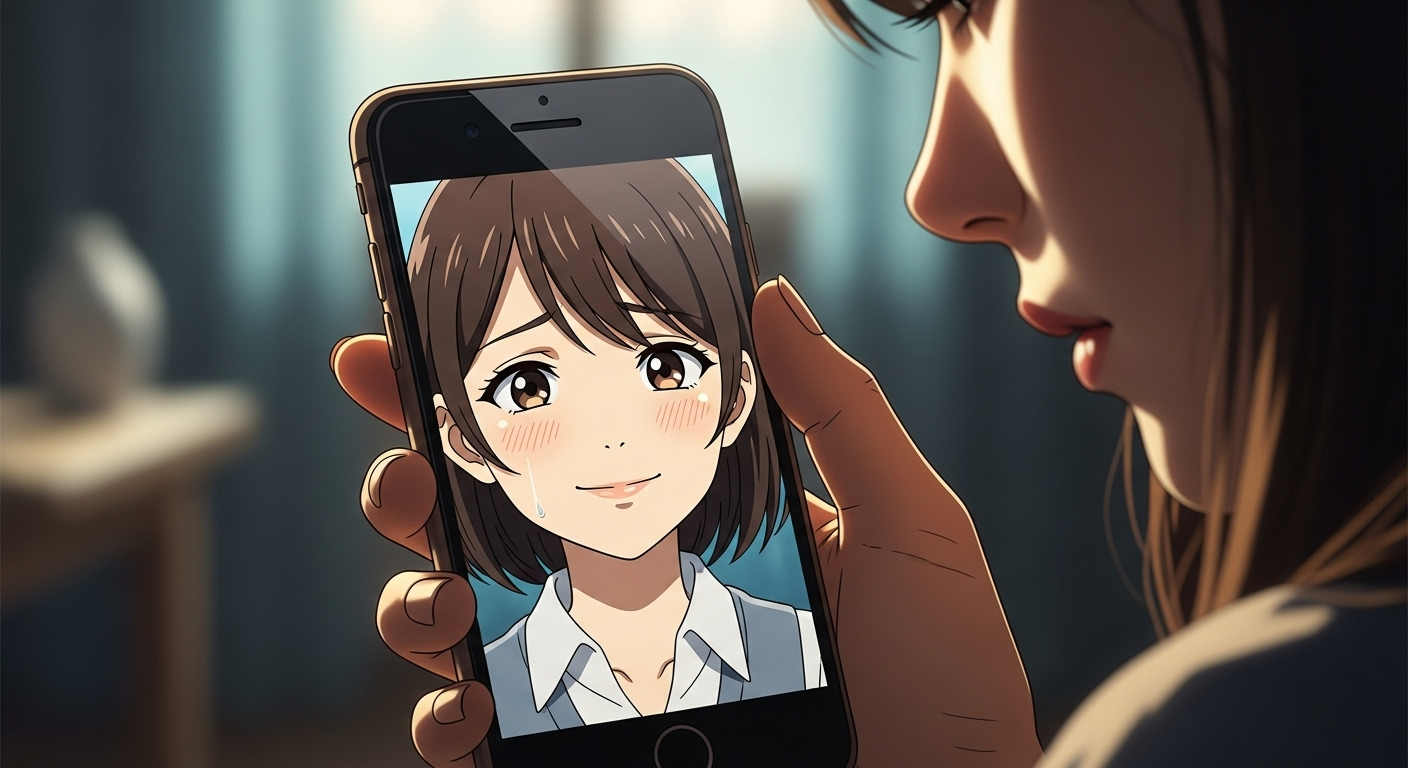
Mirrorfy’s purpose is to turn expression into a form of healing — not a social performance, but a daily ritual of inner balance and understanding.
🌙 Loneliness Is Not a Flaw — It’s a Reminder
Loneliness reminds us that we long to connect, but also need safe space to breathe. In a society driven by harmony and efficiency, a space for honest self-expression becomes more valuable than ever.
AI will never replace human warmth — but it can guard your psychological safe zone, becoming a private harbor for your unspoken feelings.
So when you open your Mirrorfy video journal at night and quietly whisper to yourself:
“Today was a little tough, but I’m okay.”
In that moment, you are rebuilding your inner connection — and giving your heart the gentle strength it deserves.